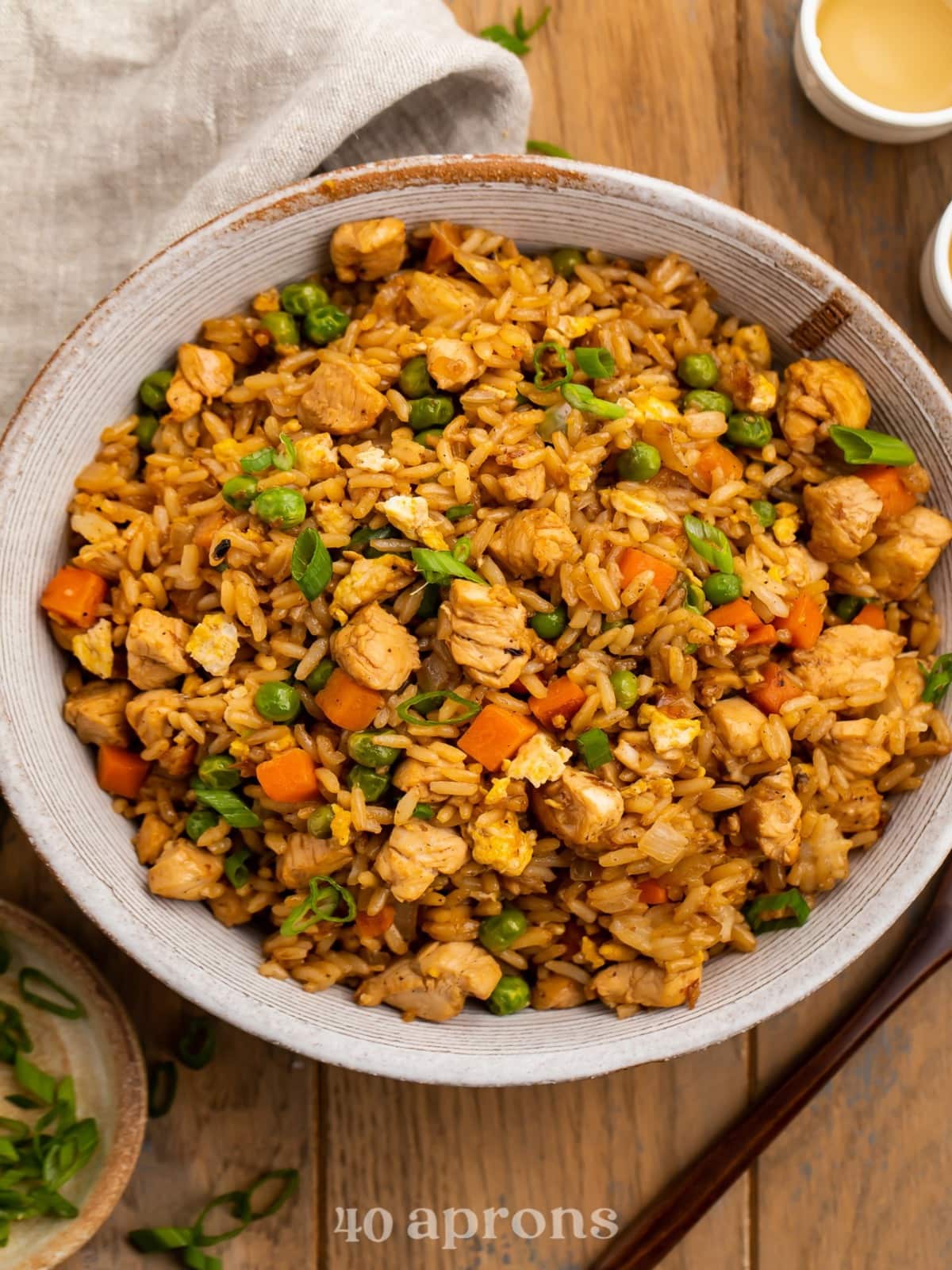
The tantalizing aroma of perfectly cooked rice, savory chicken, and crisp vegetables, all infused with a smoky char and umami depth, is an experience many associate with their favorite Chinese restaurant. Replicating that exact magic in your home kitchen might seem daunting, but with the right knowledge, techniques, and ingredients, mastering chicken fried rice restaurant style is entirely within your reach. Forget soggy, bland versions – we’re about to unlock the secrets to a truly authentic and delicious homemade fried rice that will have your family asking for seconds.
The Quest for Authentic Flavor: Understanding Restaurant-Style Chicken Fried Rice
What sets restaurant-style chicken fried rice apart from its home-cooked counterparts? It’s more than just a combination of ingredients; it’s a symphony of preparation, timing, and heat. The hallmark of truly great fried rice is its light, fluffy texture, distinct individual grains, and a complex flavor profile that balances savory, sweet, and a hint of spice. This isn't a dish where ingredients are simply tossed together; it requires specific steps to build layers of flavor.
Professional chefs often work with powerful wok burners that generate immense heat, crucial for achieving that signature smoky flavor known as Wok Hei. While most home kitchens don't have commercial-grade equipment, we can adapt techniques to simulate these conditions as closely as possible. The goal is to achieve a delightful contrast: tender chicken, slightly firm vegetables, and rice that’s neither mushy nor dry, but perfectly coated in a savory sauce.
To truly understand the nuances, it helps to delve deeper into What Makes Restaurant Chicken Fried Rice Taste So Good?. It’s often a combination of perfectly seasoned and tender chicken, the right balance of sauces, and the correct cooking methodology that transforms simple ingredients into an extraordinary dish.
Essential Ingredients for Your Restaurant-Quality Dish
The foundation of any great dish lies in its ingredients. For chicken fried rice restaurant style, quality and preparation are paramount.
The Rice: The Unsung Hero
- Day-Old Cooked Rice: This is non-negotiable! Freshly cooked rice has too much moisture, leading to a clumpy, soggy mess. Cook your rice the day before, spread it on a tray to cool, then refrigerate uncovered overnight. This dries out the grains, making them perfect for stir-frying.
- Type of Rice: Long-grain Jasmine rice is preferred for its fragrant aroma and separate grains when cooked.
The Chicken: Tender and Flavorful
- Boneless, Skinless Chicken Thighs or Breasts: Thighs offer more flavor and tend to stay juicier. Cut into small, uniform pieces (½-inch to ¾-inch cubes).
- Marinade: A quick marinade is crucial for tenderizing the chicken and infusing flavor. A simple blend of soy sauce, a touch of cornstarch (for velvetizing), and a pinch of white pepper works wonders.
The Vegetables: Color and Crunch
- Aromatics: Garlic and yellow onion are foundational. Fresh ginger is optional but adds a lovely zing.
- Classic Mix: Frozen peas, carrots (diced small), and corn kernels are common. Ensure they are thawed and drained.
- Green Onions: Essential for garnish and a fresh, mild onion flavor.
The Sauce & Seasonings: The Flavor Backbone
- Soy Sauce: Use both light soy sauce (for salinity) and dark soy sauce (for color and a touch of sweetness).
- Oyster Sauce: Adds incredible umami depth and a slight sweetness. Don't skip this!
- Sesame Oil: Added at the very end for its distinct nutty aroma.
- White Pepper: The traditional pepper for Chinese cuisine, offering a subtle heat.
- MSG (Monosodium Glutamate): Optional, but a pinch can significantly enhance the umami flavor, mimicking restaurant authenticity. If you prefer not to use it, the other ingredients will still yield a delicious result.
- Sugar: A tiny pinch balances the savory flavors.
The Eggs: Golden Ribbons
- Large Eggs: Whisked lightly. They add richness and texture.
The Oil: High Heat Hero
- High Smoke Point Oil: Vegetable, canola, or grapeseed oil are ideal. A neutral oil is best.
- Optional: Lard: Some traditional recipes use a small amount of lard for an extra layer of richness and flavor.
Mastering the Technique: Step-by-Step Guide to Chicken Fried Rice Restaurant Style
The sequence and speed of cooking are vital for achieving that desirable restaurant quality.
1. Prepare Everything (Mis en Place)
This is the most critical step. Fried rice cooks incredibly fast, so having all your ingredients prepped, measured, and within arm's reach is non-negotiable.
- Marinate chicken for at least 15-20 minutes.
- Chop all vegetables.
- Whisk eggs.
- Fluff up your day-old rice, breaking apart any clumps.
- Mix your sauce: Combine light soy sauce, dark soy sauce, oyster sauce, sugar, and white pepper in a small bowl.
2. The Heat and The Pan
Heat your wok or a large, heavy-bottomed skillet (cast iron works well) over high heat until it just begins to smoke. Add 1-2 tablespoons of high smoke point oil, swirling to coat the pan. Don't be afraid of the heat!
3. Cook the Eggs
Pour in your whisked eggs and quickly scramble them, breaking them into small pieces. Cook until just set, then remove from the pan and set aside. This prevents them from becoming rubbery or overcooked.
4. Stir-Fry the Chicken
Add another tablespoon of oil to the hot pan. Add the marinated chicken pieces in a single layer. Cook without stirring for 30-60 seconds to get a nice sear, then stir-fry until cooked through and lightly browned, about 3-4 minutes. Remove the chicken and set aside with the eggs.
5. Sauté the Aromatics and Vegetables
Add a final tablespoon of oil if needed. Add diced onions and sauté for 1 minute until fragrant. Add garlic (and ginger, if using) and cook for another 30 seconds until aromatic. Then, add your frozen peas, carrots, and corn, stir-frying for 2-3 minutes until slightly tender-crisp.
6. Introduce the Rice and Build Flavor
Push the vegetables to one side of the pan. Add the day-old rice to the empty space. Break up any remaining clumps with your spatula. Drizzle half of your pre-mixed sauce over the rice. Stir-fry vigorously, tossing and folding the rice and vegetables together, ensuring every grain is coated. Continue stir-frying for 3-5 minutes, allowing the rice to "fry" and develop a slightly toasted texture. This is where you really build that Wok Hei!
7. Combine and Finish
Return the cooked chicken and scrambled eggs to the pan. Add the remaining sauce mixture. Stir-fry for another 1-2 minutes, ensuring everything is well combined and heated through. Taste and adjust seasoning – add more soy sauce or a pinch of salt if needed. Remove from heat.
8. The Finishing Touch
Drizzle 1 teaspoon of sesame oil over the fried rice and toss one final time. Garnish generously with chopped green onions.
Pro Tips for Elevating Your Homemade Fried Rice
- Don't Overcrowd the Pan: This is a common mistake. If your pan is too full, ingredients will steam instead of fry, resulting in a soggy texture. Work in batches if necessary, especially if cooking for a crowd.
- High Heat is Your Friend: Maintain high heat throughout the process. This is key to achieving that desirable charred flavor and preventing ingredients from boiling.
- Layer Your Flavors: Cook ingredients separately and then combine. This ensures each component is perfectly cooked and maintains its integrity.
- Pre-mix Your Sauce: Having the sauce ready to go ensures quick incorporation and even distribution, preventing ingredients from overcooking while you measure.
- Use a Wok if Possible: While a heavy skillet works, a wok’s shape allows for better heat distribution and easier tossing, which is crucial for authentic chicken fried rice restaurant style.
- Taste and Adjust: Always taste your food before serving. Adjust with a dash more soy sauce, a pinch of white pepper, or even a tiny bit more sugar to achieve balance.
- Embrace the Scrape: As you stir-fry, use your spatula to scrape the bottom of the pan. The slightly caramelized bits sticking to the bottom are full of flavor and should be incorporated into the rice.
Recreating the magic of chicken fried rice restaurant style at home is not just possible, but incredibly rewarding. By focusing on day-old rice, strategic ingredient preparation, high heat cooking, and a swift technique, you can achieve that elusive balance of textures and deep, savory flavors. It takes a little practice, but armed with these tips, you'll soon be serving up a fried rice that rivals your favorite takeout, impressing everyone with your newfound culinary prowess. So, gather your ingredients, fire up your stove, and get ready to enjoy truly spectacular homemade chicken fried rice!
